User content is not official advice; where it conflicts with official documents, the official documents prevail.Safety & Use Guidelines ›

© 2026 AWithZ
Topic

#Boys' toys

8 posts · 1 participants
Follow topic
Me
#Boys' toys Share your welding progress, a question or a finished build…
Public Post
LV5
CrazyFun@u_0d73492c ·
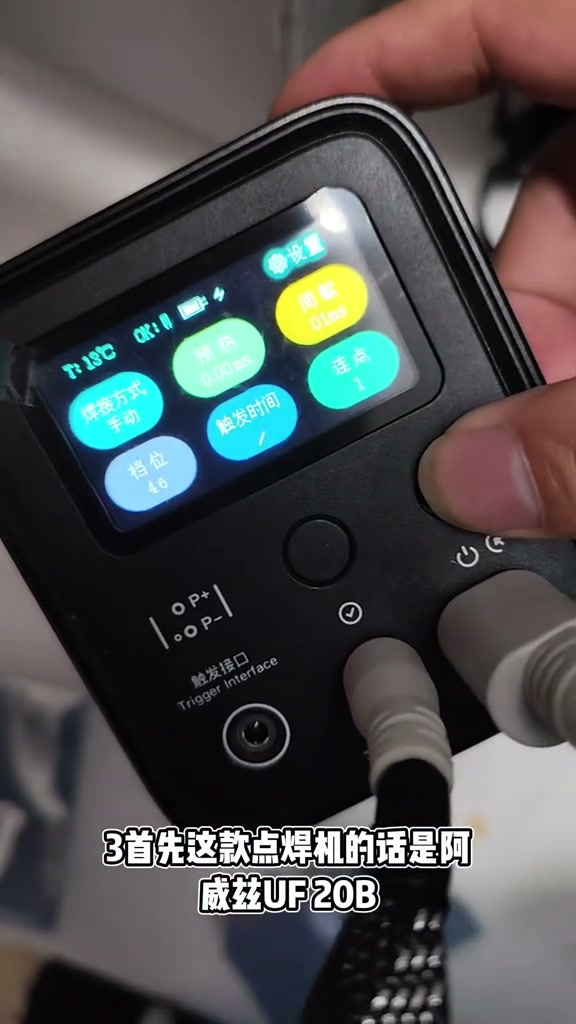
Lefeng’s UF20B (No. 6 pen) gear test at 10/15/20/25 (preheat untouched): on 0.15 nickel-plated steel strip, gear 10 peels off leaving two holes, 15 takes effort, 20 tears the strip, 25 is completely OK and hurts the hand to peel — tearing achieved, no point going higher; answering a fan’s ‘0.15 copper + 0.2 nickel-plated won’t weld’ — first ask whether there is a nickel base layer, doesn’t recommend copper straight on with this unit (copper is hard), stacked-copper and non-upgraded-pen comparisons to follow; the test only speaks for the unit in his shop window
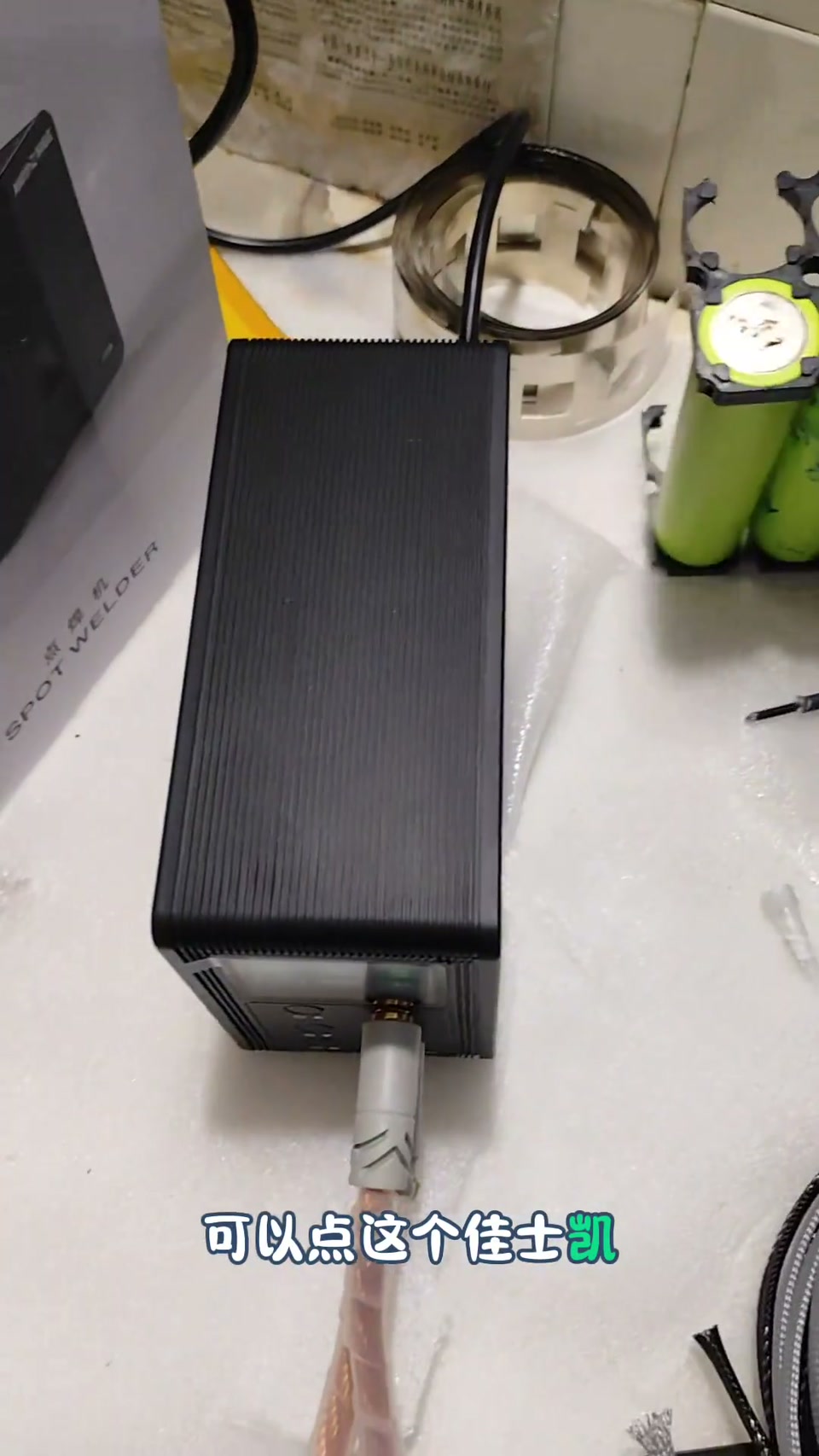
Opens: no addiction to fishing, but addicted to spot welding — a few days without welding and the hands itch. Today testing gears 10/15/20/25; the machine is an AWithZ UF20B with the upgraded No. 6 welding pen; last time was gears 1–5, this time from 10 up in steps of 5, preheat and the rest untouched, only the gear changes, two welds per gear. Gear 10: the 0.15 nickel-plated steel strip peels off, leaving two holes, two holes in the nickel strip too; gear 15: takes some effort, felt it in the hand muscles; gear 20: can already tear the nickel-plated steel strip; gear 25: completely OK, hand hurts from peeling, switch hands; the strip-tearing result is achieved, no need to go higher. A fan says 0.15 copper on 0.2 nickel-plated steel strip won’t weld — I asked whether there was a nickel base layer; with this unit I don’t recommend copper straight on, because copper is fairly hard; a stacked-copper test will be added to the series; the test only speaks for the AWithZ UF20B in my shop window, ones bought elsewhere perform differently, don’t flame me; this is the upgraded No. 6 pen, without the upgrade the result differs too, a non-upgraded-pen test to follow. 37 comments: quit food delivery and go work at a battery factory; why not get a better welder, it’s painful to watch (I also have an AWithZ P60F, it’s enough); can it weld EVE C40 (with a nickel adapter it can); will it work on Gotion copper-terminal 20A (probably not); is the low/high gear difference current or time; what current at the tip on gear 10; 6045 without stacked copper, straight 0.15 nickel-plated OK?; the No. 6 cable’s current doesn’t match a two-capacitor home-built unit.
|
Never serve low-end customers — deep down they don’t recognise your valueProjectsCrazyFun
LV5
CrazyFun@u_0d73492c ·
Lefeng’s UF20B (No. 6 pen) gears 1–5 series test: preheat 0 / interval 0 / 1ms, 0.1–0.12 nickel-plated steel strip on a Jiashikai negative — gear 1 doesn’t stick at all, 2 sticks a little, 3 a bit tighter but still peels off, 4 a bit hard but still peels, 5 feels like it might stick a little; comments: use gears 10–12 for 21700; a welder costs a few hundred, just buy a new battery (creator: if you want cell performance, there’s no saving money)
Welder series: AWithZ UF20B with the upgraded No. 6 welding pen, trying gears 1–5; preheat 0, interval 0, (trigger) 1 millisecond; two rolls of nickel-plated steel strip, no idea which is 0.1 and which is 0.12, never mind; welding the 0.1 or 0.12 nickel-plated steel strip onto a Jiashikai negative. Gear 1 result: won’t hold; up a gear, gear 2: gear 1 didn’t stick at all, gear 2 sticks a little; gear 3: sticks a bit tighter again but still peels off; gear 4: a bit hard to peel but still comes off; today up to gear 5: this is the upgraded No. 6 pen, 0.1–0.12 thickness on a Jiashikai negative, gear 5 feels like it might stick a little; that’s the show. 11 comments: wanted to hand-build to save money, good grief, a welder costs a few hundred, just buy a new one (creator: if you want cell performance there’s really no saving money); gears 10–12 for 21700; try a 0.3; either go 4 capacitors or 133 mains-frequency; go do deliveries instead of this (no deliveries to do); is 36V at the port normal on a 48V pack when switched off.
|
AWithZ spot welder gears 1–5, weld quality testProjectsCrazyFun
LV5
CrazyFun@u_0d73492c ·
Lefeng answers ‘support says the UF20B can weld copper directly (with flux)’: two Jiashikai cells in parallel make a 30000mAh LiFePO4 power bank (new board ¥20-odd), 0.1 copper + 0.1/0.12 nickel-plated straight on — gear 70 spots look pretty but drop off with a tug, gear 90 four spots still not solid; switch to a 0.15 nickel-plated base, gear 30 already solid, 40 tears, 60 can’t be pulled, ‘don’t recommend copper straight on with this model’; B1/B− to the board, sealed with epoxy board + glue, like a single big cell super-fast-charging power bank
A follower asked whether the UF20B can weld copper stacked directly, I said no, he said support says it can with flux, so here’s the video, see for yourself. The four Jiashikai cells torn down last time (the leaky group out of the 15S is discarded), BMS and charge module not removed, bought a new LiFePO4 board with more ports; two Jiashikai in parallel for a power bank, 30,000 mAh; into the holder in parallel, 3.2V output, spot weld + to + and − to −; many previous copper-and-nickel weld marks on top; switch on the UF20B, charges quickly, try to charge it full before welding; copper 0.1, nickel 0.12 (maybe 0.1, no more than 0.12); added a braided sleeve to the lead himself, No. 6 lead; preheat 10, (interval) 20; straight on first: 0.1 copper + 0.1/0.12 nickel-plated, gear 40 → 70 (dangerous, don’t imitate, same unit as in the showcase): spots are OK but a tug shows they’re not solid, ‘so I don’t recommend copper straight on’; up to gear 90 with four spots, pretty spots but still not solid, don’t recommend stacking copper directly on this model. Next, nickel base: 0.15 nickel-plated steel strip as the base, with experience gear 30 is already very solid (a bit dark, current is high); 0.15 strip at gear 40 tears; up to gear 60 blows two holes; then 0.1 copper on the base: can’t be pulled, can’t be pulled off, clearly far more solid than straight onto the cell; with this model a nickel base works, straight on is not recommended, a thinner strip might stack. After welding, main + / − soldered to B+/B−, an epoxy board sealed on top and glue poured everywhere else; the power bank works, 93% charge; case closed, OK; the two Jiashikai cells sit inside like a single big cell, fast charge, charge board ¥20-odd, wrap with tape; 30,000 mAh, more than enough for food delivery. 68 comments: cells can’t be torn down over and over, three times and they’re basically done; music too loud; will a single layer of 0.3 nickel do; 0.15 copper under, 0.2 nickel-plated on top, weld directly?; can this machine do a 0.2 nickel base; pure nickel costs more than copper strip and doesn’t spark; only this episode showed me copper straight on isn’t stable; 32140 1P16S without a BMS?
A follower asked whether the AWithZ UF20B can weld copper stacked directly; I said probably not, he said support says it can with flux. Fine — if you don’t believe me, don’t ask me again, the video is right here, see for yourself. The welder is the AWithZ UF20B from my showcase, upgraded No. 6 welding pen: copper straight on vs copper on a nickel base. Also found some followers haven’t even figured out nickel base layers… mainly I turned the power bank into a 30000mAh one, and it’s a joyProjectsCrazyFun
Who to followRefresh
BlindFix@71746738761
5Projects1896.0kFollowers2012.0kLikes
Follow
Laodanan@Lda_N
1Projects1618.0kFollowers27.4kLikes
Follow
LV5
CrazyFun@u_0d73492c ·
Lefeng puts braided sleeving on his welding-pen leads (the P60F blew up on him twice before, pen charred, hand burnt): tries the P60F at gear 30 on 0.15 nickel strip, tears two holes, no different from the UF20B at gear 30; the sleeving is 12mm triple-weave dense PET flame-retardant braid — the big one won’t fit, the small one is just right, feed it in from the front; UF20B at gear 30 on 0.15 is solid, gear 40 is harsher and tears; a 0.15 base can take 0.1–0.15 copper on top; comment: same UF20B at gear 60 on 32140 is weak (creator: pen upgraded? nickel base first?)
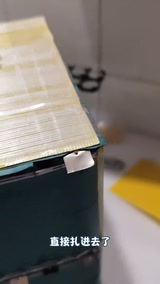
Hand burnt, who knows how many strands blown — today’s main job is swapping the welding-pen sleeving for the braided sleeving the comments recommended. This AWithZ P60F blew up on him twice before, the pen even charred black. Question: is the P60F’s gear 30 the same as the UF20B’s gear 30? In theory gear 30 can weld Jiashikai cells. Try 0.15 nickel strip on the P60F at gear 30: two spots, tear two holes, fine, no different from the UF20B at gear 30; the strip stays on and curls off. The leads all charred black because he carelessly touched other nickel strip while welding; look at that wound, how many strands blown; when your hands are clumsy, never short it. Sleeving: the big one won’t go on (can’t even get a finger in), the slightly smaller one works, feed it from the front, there’s some room inside, so touching something else won’t blow it up any more; the pen that blew up before had who knows how many copper strands blown through, terrifying; after the swap no fear of touching nickel strip — perfect. Then the UF20B’s pair of pens gets the same treatment, a perfect mod. The UF20B at gear 30 on 0.15 nickel strip also tears two holes, very solid; up to gear 40 is harsher, a real tearing effect; a 0.15 nickel base can take 0.1 to 0.15 copper on top. Job done. Comments (87): polyamide / cotton-blend sleeving is softer than nylon (now you tell me); same UF20B at gear 60 on 32140 LiFePO4 is weak (pen upgraded? nickel base first? the parameters were given in a previous video); how thick a nickel-plated strip for a 72V30A e-bike with a 1200W motor (two layers of 0.15 should do, depends on your welder); sleeving spec (triple-weave dense PET braid, flame-retardant nylon 3–60mm anti-vibration snake-skin sleeving, 12mm black / silver, 2m); hand-built capacitor welders are still the real deal; press down firmly and the welds look good with no splatter.
|
Ep. 178 | The welding pen’s lead blew up on me before, mates. On a viewer’s recommendation, it gets a jacket — feels a lot saferProjectsCrazyFun
LV5
CrazyFun@u_0d73492c ·
Lefeng ‘blowing it up, bro’ round three: the P60F pen is longer than the UF20B’s and not fully enclosed (has a gap), so while welding the main negative it touched a positive / another strip — bang, two shorts, blackened pen, cable ripped off; nickel strip edges cut his hand; the 50A copper lugs for main +/− were too thick, so switched to screw terminals with heat-shrink; the positive red lead must never be swapped; remedy: high-temperature glue + cutting paper + fireproof board over the pen gap, main +/− sealed with 704 silicone, fiber tape, then solder the sense harness; comments: sleeve the pen in nylon braid / polyimide film, same pen blew through a 50 mm² welding cable
Straight short, ‘blew it up, bro’, cotton swab from the bag to wipe his hand — just got cut by the nickel strip again, the welding pen touched the strip and blew twice; the corner of the strip went in and it ‘burst like tomato juice’, this build really wrecks your hands. The 50A copper lug connected and a dab of solder on it; meant to spot-weld it onto the copper plate but found the lug too thick, so back to the old way, screw it, heat-shrink over it, onto the copper plate, then spot-weld to the main positive and negative; when soldering the leads the positive must go to the red positive, get it wrong and it blows up again. Nearly blew it up again just now: welding the main negative, this pen isn’t fully wrapped, it has a gap, the gap touched a positive, bang, the cable was ripped straight off, terrifying, the cable feels unsafely designed — not fully enclosed, and yes enclosing it hurts cooling, but I keep touching other things, clip another strip and it blows; same recipe as before: high-temperature glue, then cutting paper, then a layer of fireproof board on top, this corner is the blackened spot; the short blew right at the pen; this time the main +/− get sealed with 704 silicone first, then a few turns of fiber tape and the sense harness can be soldered. Comments (116): sleeve the pen in nylon braided mesh (noted); my pen is identical and it blew straight through the 50 mm² welding cable, only a few strands left (that bad?); wrap it in polyimide film; no BMS? not on LiFePO4?; solder the main +/− straight onto the copper plate (I prefer screws); safety first (scared stiff); running deliveries in Changsha.
|
Back then I was a newborn calf that feared no tiger and nothing ever went wrong; now on the third build I keep ‘blowing it up, bro’ — mainly my own carelessness, but this AWithZ P60F welding pen is longer than the old UF20B one, which gave me two shorts and blackened the pen; if I use it again I’ll wrap it in high-temperature tape, whether it needs cooling or notProjectsCrazyFun
LV5
CrazyFun@u_0d73492c ·
Lefeng’s 20S Jiashikai 32140 (6045) big pack, ‘don’t get blown up’ chapter: mark the series positions after the fish paper; punch the 0.2×50 copper strip, thread the wire, solder, then seal with glue; the 1–20 link order and its flip-side match; P60F at gear 587 (of 999), copper strip under, nickel strip on top; repeated warnings that a wrong link on the other face is a short that blows you up — have respect; continuous welding makes the pen hot, 11 pieces done then off to deliver orders
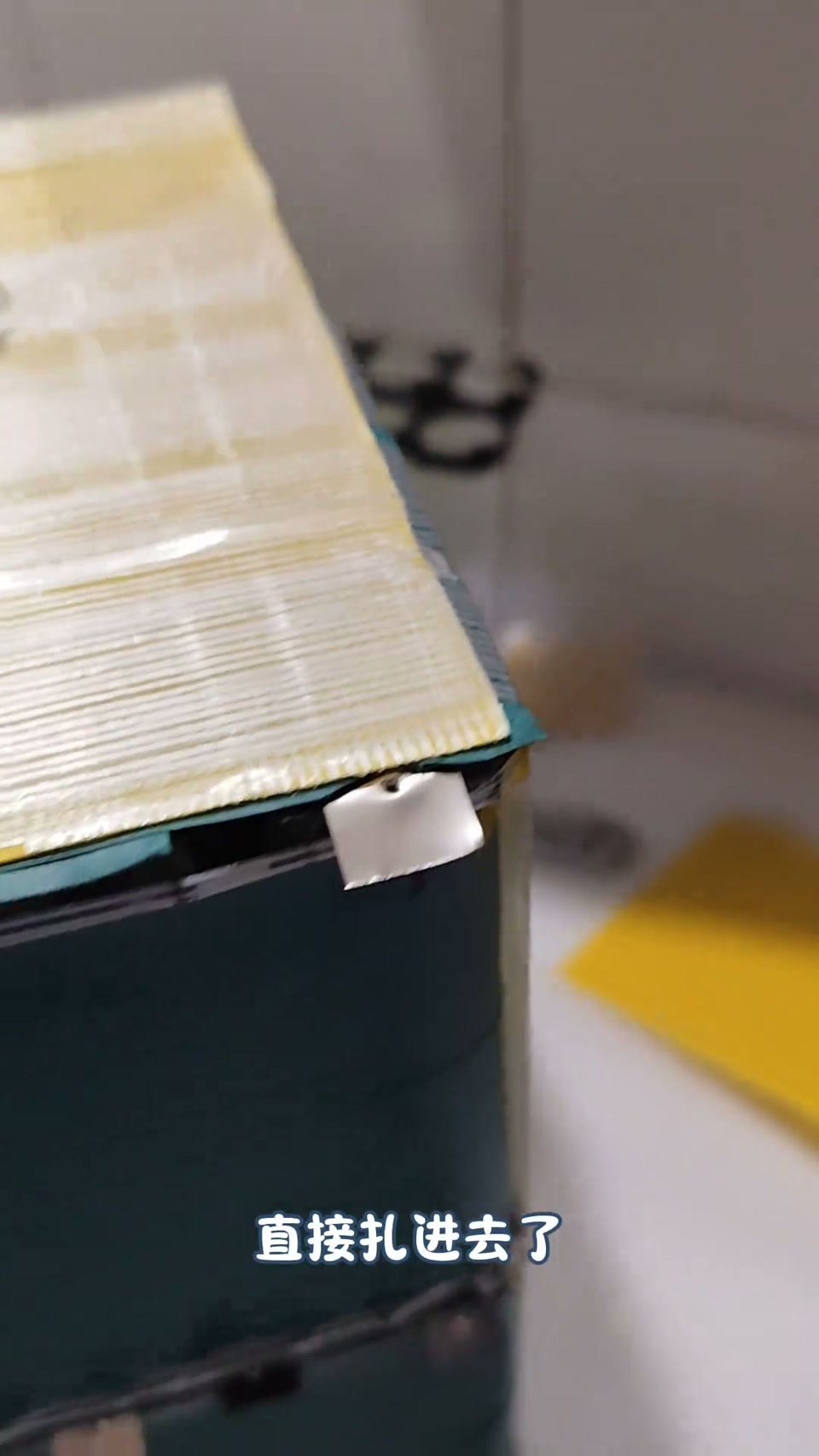
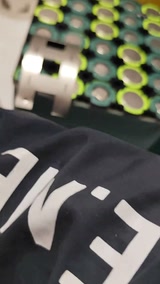
A detail lesson for beginners. After the fish paper is on, always write the series-group number at each position, so the connection order lines up. Mark and cut the 0.2 copper strip (it’s quite heavy), punch holes in it: when soldering, twist the wire into the hole first, then add just a touch of solder, then seal with a dab of glue. Connection logic: on the first face join 1 to 2, 3 to 4, 5 to 6… up to 10; on the underside the matching positions are 4–5, 5–6, 6–7, 7–8, 8–9, 9–10; group 10 gets a long strip across to the far side; flip over and do 11–20 the same way. Someone said laying that piece on top is dangerous — it isn’t dangerous right now because the underside isn’t connected yet; once the underside is connected, laying it like that will spark. Join it cluster by cluster: finish this side, flip, then join the matching face — never connect the wrong ones, a wrong connection is a short that blows you up, bro. Settings: AWithZ P60F, gear 587, settled after a lot of trial runs; it tests your technique: copper strip underneath, nickel strip stacked on top, then weld; trim the surplus corners. When you flip, the two cells joined underneath on this side must not be joined again on top, or it shorts; group 20 is effectively the main positive; laying four like this is fine, laying six like that shorts; you must have respect for it — getting blown up is truly terrifying, no joke. Partway through, lift the strip now and then to check the welds are solid — the gear has been tuned countless times but still check. Continuous welding makes the pen hot; 4 pieces on that side, 8 on this side, then 3 more — 11 pieces — off to the evening rush to deliver orders, more when there’s time. Comments: is it Jiashikai 32140 (Jiashikai); copper strip 0.2×40? (0.2×50); can the UF20B stack 0.2 copper (no; with a nickel base it can stack 0.1–0.15 copper); building a 6045? (yes); which gear? (P60F has 999 gears, I use around 600); everyone says AWithZ is junk, is it true; when will you upgrade to laser welding.
|
This lesson is all detail for beginners — the chapter of the hand-built Li-ion course that keeps you from getting blown up, bro! Old hands, now it’s your turn to roast meProjectsCrazyFun
LV5
CrazyFun@u_0d73492c ·
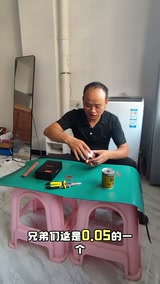
Lefeng heads home for National Day with gear (multimeter, AWithZ U3, cells bought online, iron, nickel strip) and opens a 10,000mAh power bank at home: 3 of the 5 cells are fakes with no voltage — ‘fake Li-ion cells have a long history’; removes them, keeps 2 good cells, adds new ones in parallel; tape for insulation; U3 set to gear 5 (screen shows 3.2) welding 0.15 nickel-plated stacked with 0.1; a nickel-strip short blisters his hand; assembled, charges a phone, shell glued
Opens with a burnt hand by accident; looking at the delivery-order numbers these days, no more grind — home for National Day, with gear: multimeter, AWithZ spot welder, the ‘fake’ cells bought online (a joke), a small soldering iron, solder wire, the bought cells, nickel strip; also found a power bank at home (3.7V 10,000mAh) and opened it — of the five cells, three are different and not connected together, two are connected; turns out those three are fake Li-ion cells, ‘fake Li-ion cells have such a long history’; measured no voltage on the three, removed them with the iron; red +, black −; the good ones and the new cells go in parallel and back in; nickel-strip leftovers, only this tape at home for insulation. At the key moment out comes the AWithZ spot welder, because it’s small and light — bringing the big welder home would be too heavy and a hassle; screen shows gear 3.2, ‘set it to about 5’; 0.15 nickel-plated steel strip is a lot thicker, a layer of 0.1 stacked on top; welded, + and − soldered with the iron; (BGM) hand straight-up burnt with a blister; power bank assembled, charge the phone as a test before fitting the shell; shell glued on. Comments: the pulse is too long, it’s arcing (so that’s it, thanks); get an internal-resistance tester and match cells, it’ll last longer (coming later); a nickel-strip short did it (stay safe); can it still be saved (isn’t that what you’re doing); put those two in as well (they’ve been around too long, no good).
Once you’ve mastered hand-building Li-ion packs you’ll never buy a power bank again — all the old power banks at home can be re-celled! HahaProjectsCrazyFun
LV5
CrazyFun@u_0d73492c ·
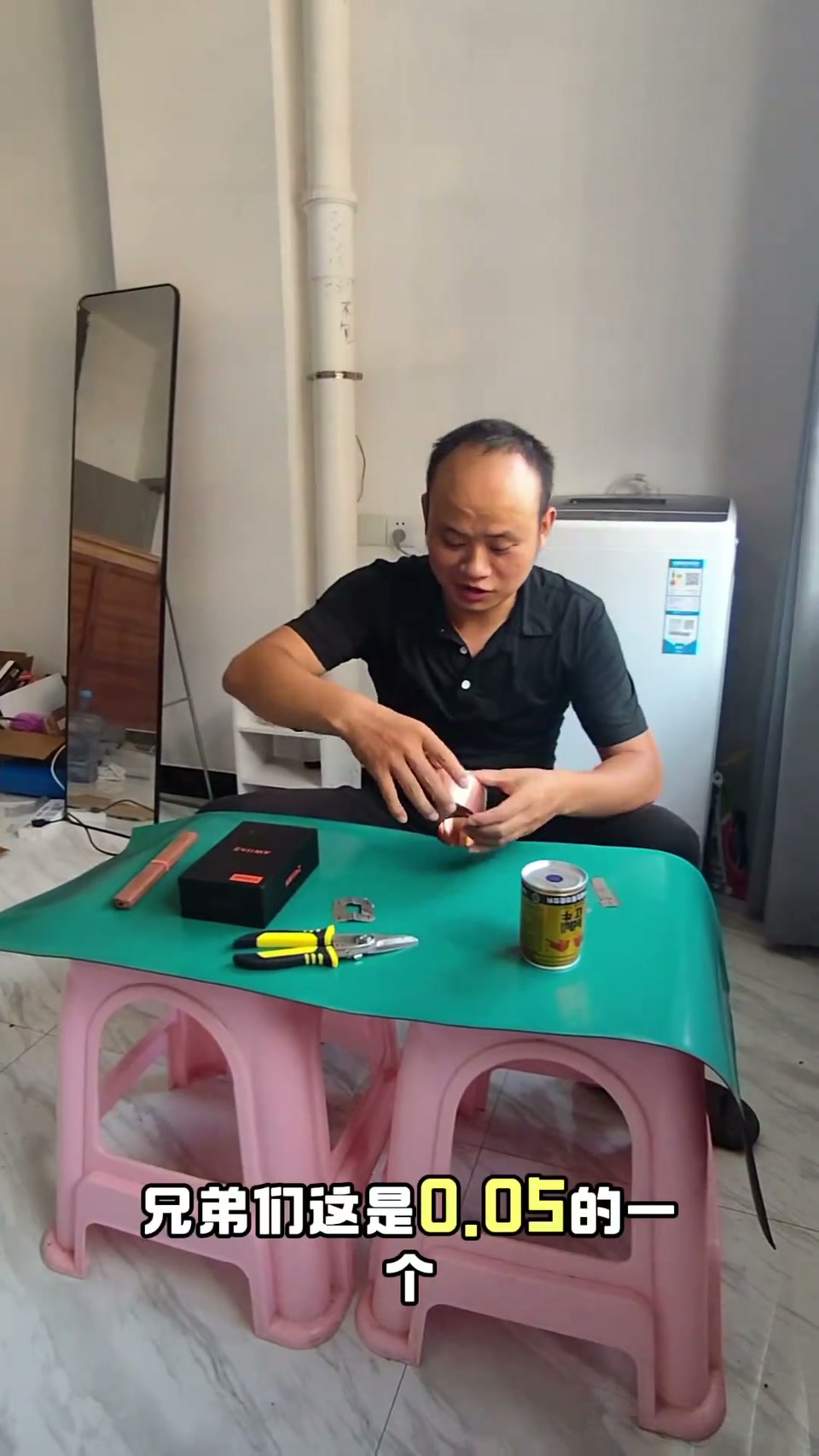
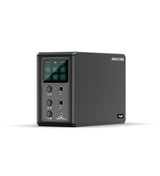
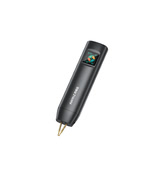
Lefeng gives up on hand-building a welder and buys the Douyin no. 1 seller, the AWithZ U3 Pro edition (11000mAh): unboxing (thick welding pen, nickel strip, USB output, manual key), auto mode fires the moment it touches and blows through 0.1 strip, ‘a bit fierce’, switches to manual; two welds on 0.05 copper can’t be pulled apart, it tears and still leaves the welds; 99 gears (9 coarse, with fine steps), interval left untouched; doubles as a power bank, ‘spend your power-bank money on this, it’s very good’; 550 comments backing capacitor welders / Xiaoqiang / transformer welders
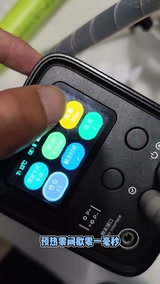
The old welder couldn’t stack copper and hand-building was a detour, so he got the Douyin no. 1 seller, the AWithZ U3 Pro (picked up at the Cainiao station, 11000mAh). Unboxing: main unit box, the welding pen looks pretty thick, nickel strip too (check the thickness), the small holes on the cable are for the switch; long-press to power on, the screen shows interval / preheat (milliseconds) and mode auto; the top port is USB output for charging a phone, there is a separate charging port; the M key is the manual weld key (trigger in manual mode). First try in auto mode, set it down and it fired without pressing the switch, ‘gave me a fright, a bit fierce’, went straight through the 0.1 (steel strip), probably the gear wasn’t set right; switched to manual, where it only welds when you press the switch; that last weld was very solid, steel strip 0.05. Gears: 9 coarse gears each with fine steps, 99 gears in all; interval not adjusted. Two light welds of 0.05 copper on a 26650: can’t pull it apart, it already tears, and pulled off it still leaves two welds behind that won’t come off, welded very securely, much better than the old welder, handy and compact and doubles as a power bank; no cells on hand so the test ends there; spending your power-bank money on this is a good deal. 550 comments: the Xiaoqiang capacitor welder stacks 0.15 copper and is more reliable (creator: buy buy buy); why buy another battery welder, still on the detour, capacitor is the way to go (getting ready for a 45A battery next time); don’t mess with NMC, it explodes; for value it’s still Xiaoqiang; AWithZ really is good, well built; microwave-transformer welder was no good so also got an AWithZ 539; going to buy a Glitter 811H; a dual-900W transformer welder is far stronger, battery welders max out at 0.4 and the internal battery fades; with that money buy a Xiaoqiang.
|
Do you really have to hand-build a spot welder to hand-build Li-ion packs? Don’t take my detour — see what you make of this oneProjectsCrazyFun