FPV pilot TOP unboxes the UF20B: 6V / 1750A / 10.5kW, manual / auto trigger; 0.15 nickel-plated steel strip tested from gear 1 to 7 to settle on a gear, welds up to 0.4; plus a pitch that ‘building batteries yourself can make money’
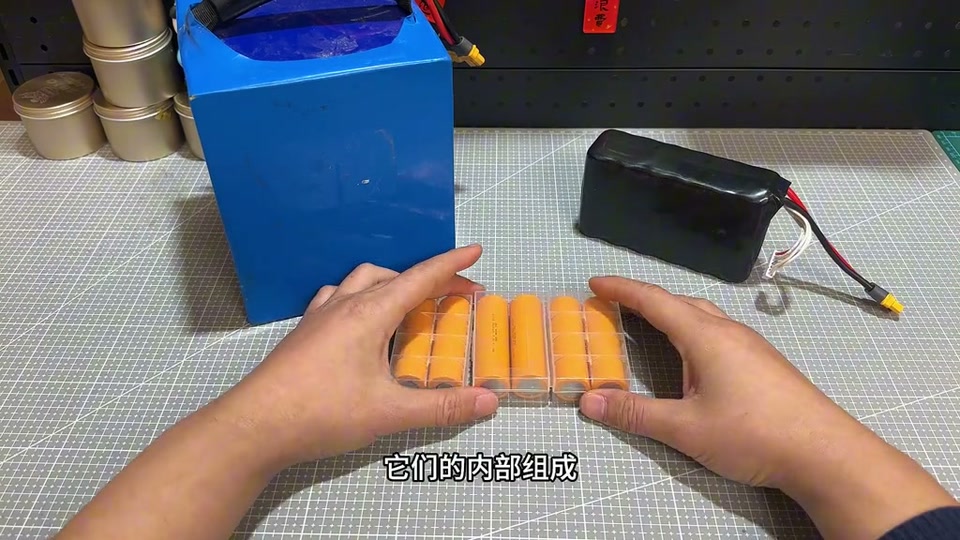
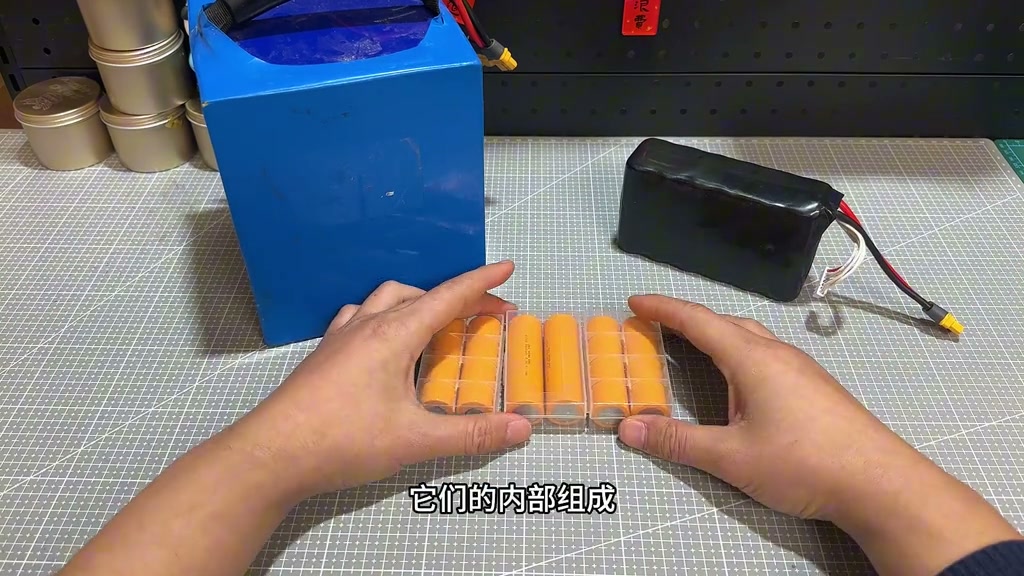
Creator TOP speaks to FPV pilots: field battery boxes, long-range packs and radio batteries are all built from cells, and he has already posted a welding tutorial, an internal-resistance test method, wiring diagrams and an open-source battery-box shell. The key piece of kit is a spot welder; this time he upgrades to the AWithZ UF20B and unboxes it while explaining how to use it. First he shows that a soldering iron struggles to tin a cell terminal, gives cold joints, and long heating is a safety risk, while the spot welder fixes it solid with a few small sparks. Nameplate: max output voltage 6V, max current 1750A, power 10.5kW. Feature-wise he likes the switchable trigger mode: in auto the weld fires as soon as the pen tips press down, in manual you can position first and then press the button to fire, which feels more assured; there are plenty of parameters (trigger time, multi-pulse) but he basically only uses the gear. Too high a gear burns through the strip, too low won’t hold; with 0.15mm nickel-plated steel strip folded double as the example: gear 1 is too shallow and pulls apart with one tug, gear 4 won’t pull apart but is shallow, gear 6 welds through to the back, gear 7 is thoroughly perfect — for 0.15, remember gear 7; gear 99 is for thicker material, up to 0.4mm. The settings menu has a page-by-page ‘experience sharing’ tutorial that is beginner-friendly. Closing: battery-shop bosses drive Ferraris, play with quads and never run short of pocket money, link in the showcase.
Hands-on 21700 pack for FPV long-range / goggle power: nickel + copper strip about 0.3mm at gear 25, fish paper, weld + and − separately, balance lead, then fibre tape + flame-retardant foam + heat-shrink
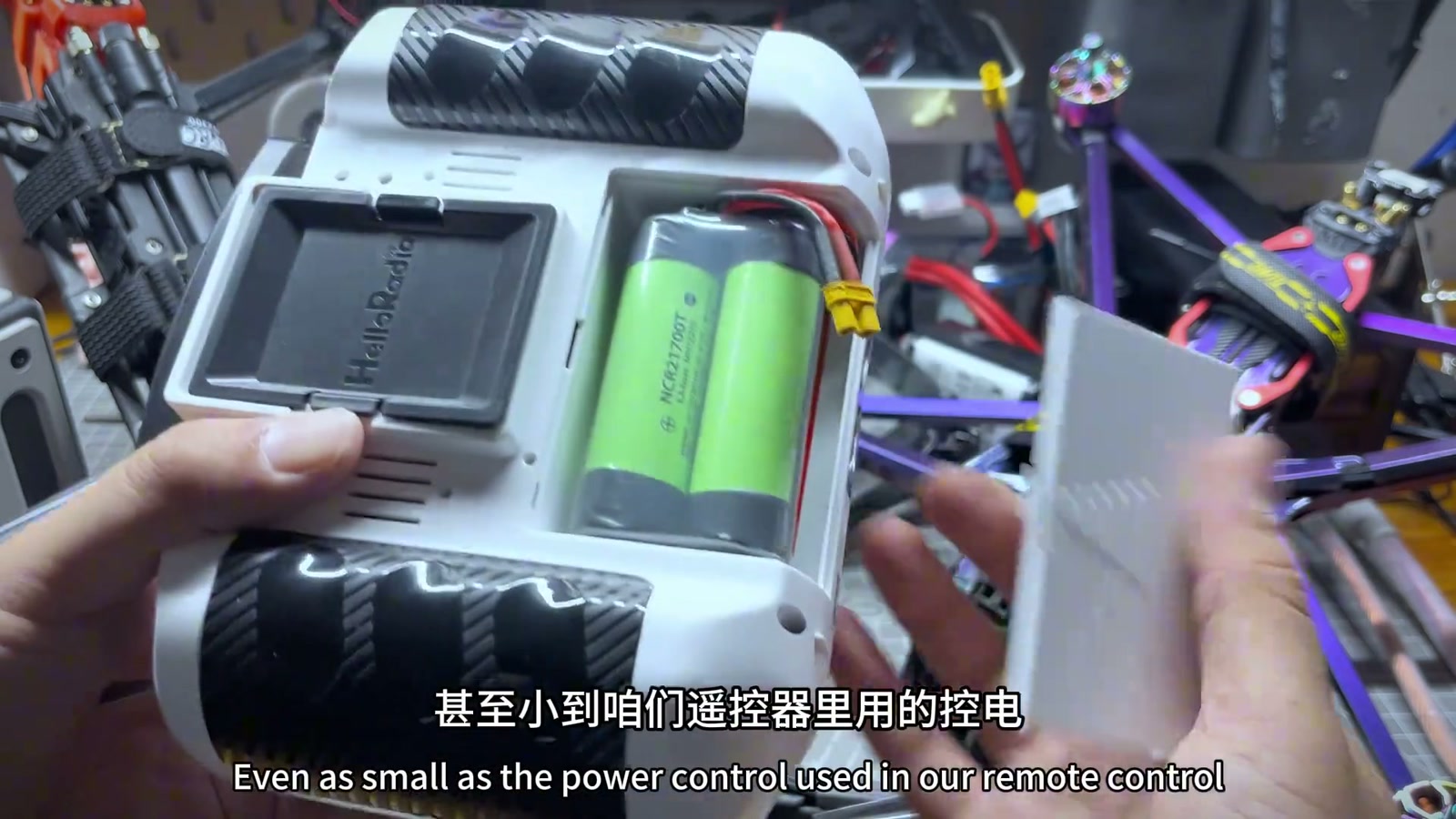
Field battery boxes, long-range packs and goggle batteries for FPV quads are all 21700 NMC inside; if you can build your own you save money for other parts. Tools: 21700 cells, a cell holder, nickel strip, copper strip, heat-shrink and a spot welder — a soldering iron can hardly get nickel strip to hold, and poor temperature control raises the internal resistance. The creator uses an AWithZ machine that welds nickel strip or 0.15mm copper strip with ease, max gear 99; the nickel + copper combination of about 0.3mm is usually around gear 25. First stick fish paper on the cell to insulate the outer rim; when welding, one pen presses the strip down while the other welds; on the other side, weld + and − separately — never weld them together; solder the balance lead and power lead to + and − (red positive, black negative); wrap in fibre tape, add flame-retardant foam, slide on heat-shrink, and a goggle battery is done. Reminder: lithium batteries are flammable and explosive, so take extra care while building.
Ran into a problem? Have an idea for improvement? Tell us. We read every piece of feedback carefully. Valid feedback earns points, redeemable for accessories / coupons.
Thanks for your feedback!
We'll review it within 1–5 business days. If you left an email, valid feedback earns points redeemable for accessories / coupons. If we need to follow up, we'll contact you at the email you left.
WeldWorld is an open platform for user sharing; content does not represent official advice.
Improper battery handling can cause fire, explosion, chemical burns and serious injury. Read the full AWithZ Safety & Usage Guidelines before any lithium battery assembly, spot welding or testing, and before using the community.
Community content is personal experience, not verified by AWithZ; where it conflicts with official documents, the official documents prevail.
Never apply someone else's settings directly; always start at a low level and test on scrap.
Before copying any procedure, go through the self-check list in Part 3 of the guidelines.
 Ep. 30 | One video teaches you how to build a 21700 pack — never worry about long-range battery againProjects519fpv
 LV1
LV1

 [T.O.P.] Getting into FPV on a budget — making money from it is easy; DIY long-range packs and power stations, AWithZProjectsTOP RC FPV
 LV1
LV1