Capacitor Spot Welder Review: AWithZ P-Series, an Industrial-Grade Tool for Pro Batch Work
Preface: why I paid out of my own pocket to test the AWithZ P-Series.
As a "tool fanatic" who has spent years on the front lines of lithium battery assembly and metalworking, I am every bit as picky about spot welders as a photographer is about lenses. I have tried dozens of machines, from a few hundred to a few thousand yuan. A good share of them simply run out of steam on large single cells, aluminum-nickel composite strip or thick copper: at best you get cold welds, at worst you blow the MOSFETs.
On the recommendation of some veterans in the tool community, I picked up an AWithZ P120D. Only after getting my hands on this AWithZ Professional P-Series industrial-grade spot welder did I truly understand what a perfect combination of brute force and precise control feels like.
No fluff today. Let's go straight to the four things people care about most, power, endurance, lifespan and cost, and see whether this machine is really worth buying.
1. Raw Strength: Unmatched at Its Power Class, 69200W for the Toughest Jobs
With spot welders, power and current don't lie. Plenty of DIY machines on the market boast impressive specs, then show their true colors the moment they meet copper strip. The AWithZ P120D is packed with top-tier hardware and is all about genuine substance.
- 1. Real high power that cures weak welds. The rated 69200W peak power and 6590A current are just numbers on paper. What matters is real-world performance: 0.5mm pure copper, 0.6mm aluminum-nickel composite sheet and 2.0mm stainless steel are all welded clean through, with a maximum combined stacked thickness of 4.0mm. Welding the copper and aluminum terminals of large single cells used to be the biggest headache; without a laser welder costing tens or even hundreds of thousands of yuan, it simply couldn't be done. Now all sorts of small machines claim they can do it, but either the power is too low and you get cold welds, or it is too high and you risk punching through the cell. The AWithZ-P120D delivers a pulse that is powerful and crisp, forming each weld in one shot with no rework. A machine costing a few thousand yuan is doing work that used to require one costing tens of thousands.
- Durability is the lifeblood of commercial use
- Durability decides whether a machine makes you money. What do commercial users fear most? Power fading mid-job, or the housing overheating and tripping thermal protection. The P120D sticks with brand-new automotive-grade supercapacitors and brand-new low-resistance industrial MOSFETs, never salvaged second-hand parts or cost-cutting components. It holds full power through continuous batch welding, and the housing stays noticeably cool even during long runs. My workshop runs it all day, and it has never let me down.
3. Copper, Aluminum and Nickel in One Machine: No More "Luck" With Large Single Cells
Welding the copper terminals of large single cells used to be a gamble. Too little power and you get a cold weld that pulls right off; too much and you burn a crater and scrap the whole cell. Aluminum terminals are even trickier: push a little too hard and it sparks, leaving nothing but black marks.
After using the AWithZ P120D, one feeling sums it up: confidence. Lay a 0.5mm copper sheet on top, fire one pulse, and the weld bites straight in with a flat surface and no craters. Aluminum-nickel composite sheet welds on normal settings without sparking or warping. I welded 30 cells in a row without a single problem.
It holds up in batch work too. On a 48V pack built from 18650 cells with 0.35mm nickel-plated strip, I made more than 200 welds in a row. Internal resistance before and after differed by less than 0.1mΩ, the machine never got hot to the touch, and I never had to stop to let it cool.
It isn't fussy about the job either. With 999 power levels, its welding range is extremely broad: from nickel-plated strip as thin as 0.1mm to stainless steel strip as thick as 2mm or 4mm, everything welds firmly and reliably. Patching a 2.0mm stainless steel bracket took a single pulse to weld through, saving me the trouble of sending it out for TIG welding.
Put simply: welds that hold, no damage to parts, and no job too tough.
Built for Batch Work and Real Earning Power: Solid Quality, High Efficiency, Fast Recharge and Rugged Durability, Well Ahead of the Industry Average
- What does a business fear most? Having orders in hand while the machine lets you down: thermal protection kicks in halfway through, the customer is waiting for delivery, and your equipment is forced to take a break. In repair and contract-manufacturing work, the biggest hidden costs are waiting time and equipment wear. The AWithZ Professional P-Series spot welder tackles exactly these bottlenecks:
1. Brand-New Supercapacitors + In-House Smart Balancing Technology for 10x the Lifespan
No salvaged second-hand capacitors: every model comes standard with a brand-new energy storage module. It stays cool and intact through continuous high-intensity welding, with minimal degradation even under long-term, high-frequency use. Ordinary welders show a clear drop in performance after two months, while the AWithZ P-Series spot welder runs stably for years and keeps performing like new, significantly lowering the marginal cost of long-term use.
2. 15A High-Current Fast Charging: Recharges in Just 5 Minutes for Non-Stop Batch Welding
15A high-current fast charging combined with a supercapacitor energy storage architecture delivers extremely fast charge and discharge response. When assembling large battery packs in bulk, there is no long wait for recharging, so your throughput on orders multiplies. The core value of a commercial tool is to maximize welding time and minimize waiting time.
- Lightweight industrial body, just 1-4kg, with zero strain on your circuit
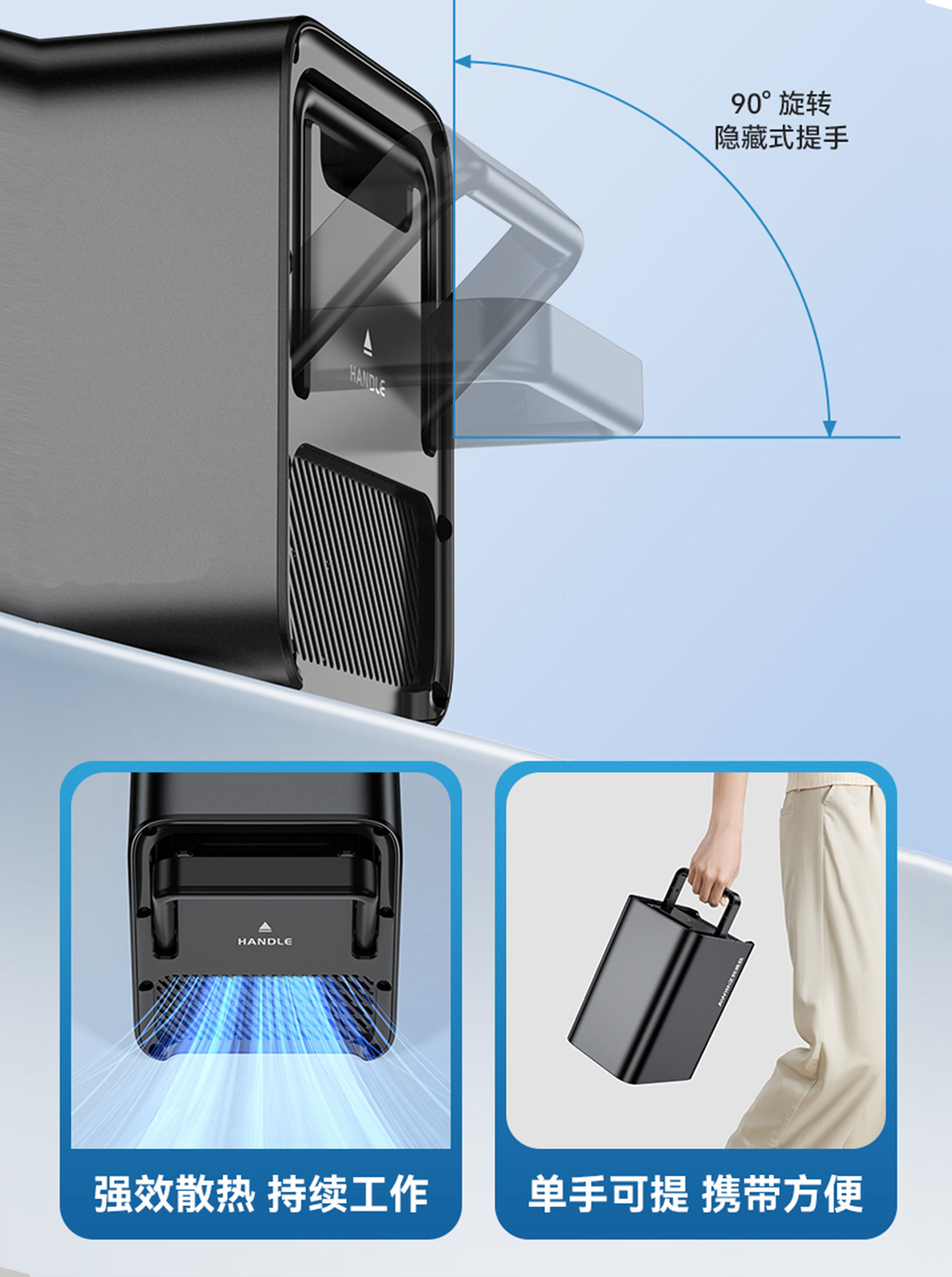
- Compared with traditional transformer welders and large laser welding equipment, the AWithZ P-Series, built on in-house technology, delivers professional spot welding performance in a compact body you can carry in one hand, with a built-in handle for easy transport. Whether you are moving around the workshop, doing on-site repairs, working at a small shop counter or in a lab, it is ready in moments. Its load on a 220V household circuit is extremely low, so no rewiring is needed, and it handles market stalls and field work with ease.
4. Effective temperature control: low heat in continuous operation, ready for batch orders. The housing combines plastic and aluminum for high heat-dissipation efficiency, effectively supporting continuous spot welding. Combined with the short-pulse discharge of the supercapacitor energy storage architecture, which releases energy in milliseconds rather than continuously, heat buildup is reduced at the source. In real use, even during long stretches of continuous welding, heat stays well under control: the machine never gets too hot to handle or loses performance, so when you are rushing orders you never have to worry about it taking a break midway. It delivers steady output until the job is done.
The AWithZ Professional P-Series spot welder is not just a tool. It is the confidence to take on orders and deliver on time.
3. Handling: Ten-Thousand-Step Precision Digital Control + Dual Pulse Give Welding a Finesse of Its Own
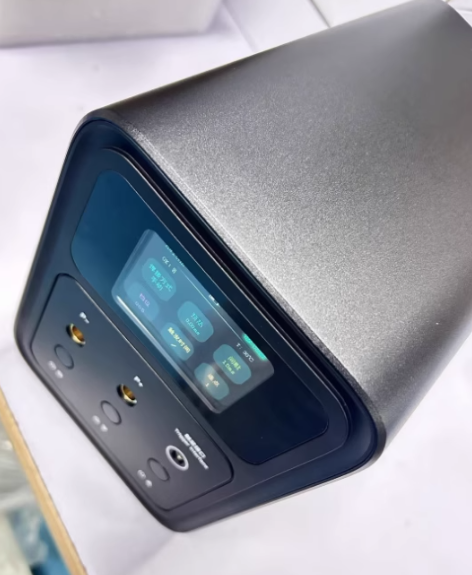
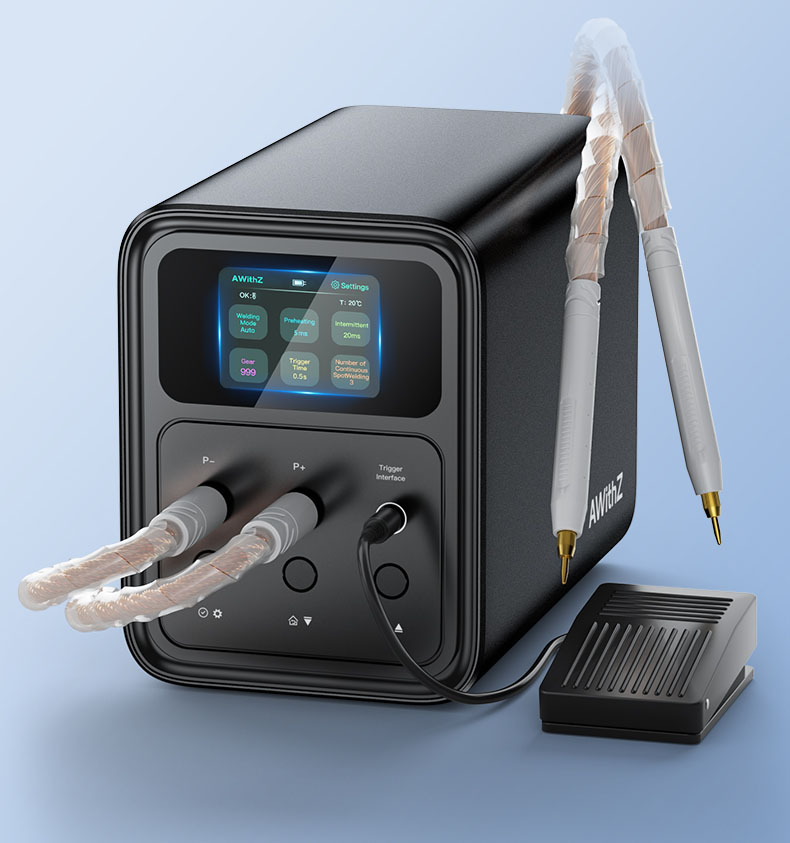
If high power is the machine's muscle, precise control is its brain. The AWithZ P-Series features a highly intelligent control system with fine adjustment from level 000 to 999, covering six core stages: preheat (removing the oxide layer), welding pulse (deep penetration), interval, trigger, continuous welding and more. All parameters are presented in a clean, intuitive way, so the learning curve is minimal: even beginners can master the machine within a minute.
Whether you are working with easily oxidized materials or precision components whose internal structure needs protecting, fine adjustments let you dial in exactly the right welding parameters.
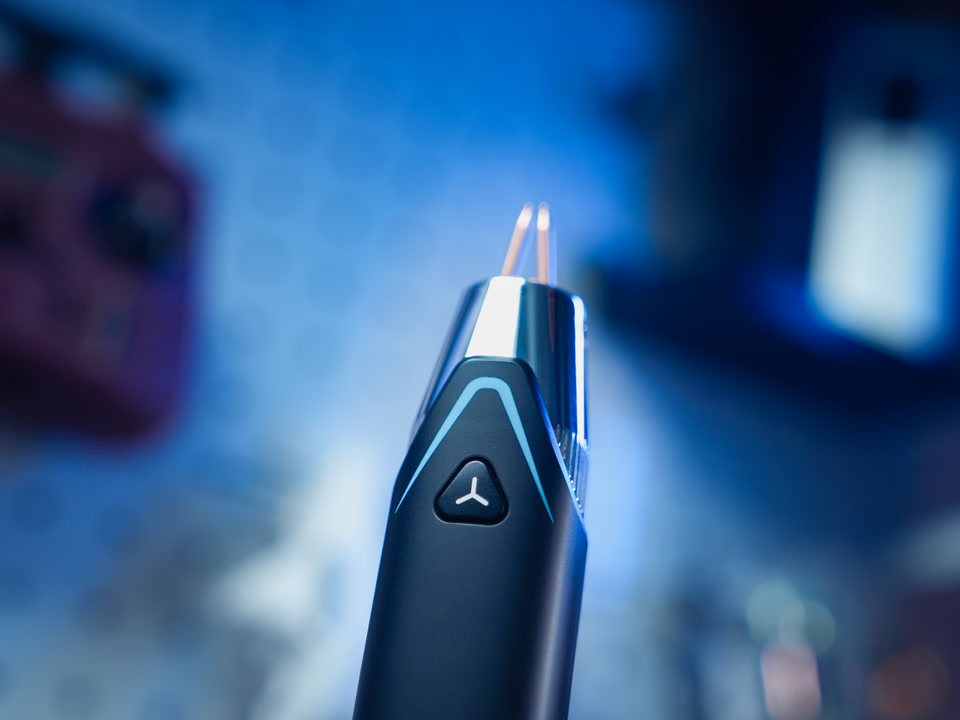
Pair it with the upgraded WP240 integrated welding pen, which uses 35mm² pure copper cable and alumina-copper welding pins. It is comfortable to hold and doesn't tire your hand over long sessions, and its ultra-low-resistance design ensures near-lossless energy transfer. Switch freely between single-pen, dual-pen and butt welding modes: you decide how to weld.
4. Accessories & Safety: Hassle-Free for Long-Term Commercial Use
Why are cheap spot welders cheap? Open one up and it is obvious: the capacitors are salvaged second-hand parts, the MOSFETs are low-spec industrial or even refurbished ones, and after a few minutes of batch welding the current drops as they heat up, leaving weaker and weaker welds. The welding pen cable is as thin as a chopstick, and the pins oxidize and turn black after a few uses. Contact resistance climbs, so either the weld won't take or it sparks and damages the cell.
How does AWithZ do it? Three things set it apart:
1. No expense spared on materials, with core components far above industry standards: brand-new automotive-grade supercapacitors + brand-new low-resistance heavy-duty industrial MOSFETs, with no corner-cutting and no salvaged parts. Power holds steady and the housing stays cool through continuous batch welding, the foundation for long-term work.
2. A welding pen that gets it right from the start: the WP240 integrated welding pen comes standard, with 35mm² pure copper cable thick enough for minimal voltage drop. Its alumina-copper welding pins are removable and replaceable, with low resistance and little heat. It supports single-pen, dual-pen and butt welding modes, and pin spacing is adjustable, so it reaches into narrow battery compartments and wide large modules alike. The insulated grip stays cool over long sessions, so batch work won't wear you out. The WP158 split pen is also available for even more applications.
3. Safety protection you can count on: for safety and stability, it uses a dual hardware-and-software safety system with a dedicated quality and safety chip, high-precision temperature sensors and in-house safety algorithms, plus AWithZ's own multi-layer protection mechanisms, including safety self-locking, internal insulation and isolation, barrier protection, impact protection, voltage regulation, short-circuit protection, temperature protection and overcharge/over-discharge protection. This comprehensive protection avoids operational risks at every level and keeps you safe. No need to worry about burning out the machine during batch welding.
4. After-sales service without the runaround: a 2-year official warranty on the whole unit, while most on the market offer only six months. It is patented and backed by formal test reports. What commercial users dread most is being passed around by after-sales support; every day the machine is down is a day of lost income.
For long-term professionals, a high-quality spot welder like the AWithZ may not be a small investment, but the daily cost works out to be very low: others replace their machine every six months to a year, while this one will still be working steadily five years from now.
Summary: Is It Worth Buying? How to Choose?
✅Who It's For
1. Lithium battery assembly/repair shops: batch production of e-bike batteries and energy storage modules, requiring high-frequency, high-intensity work and regularly dealing with newer materials such as large single cells, LiFePO4 and pouch cells.
2. DIY enthusiasts/makers: not content with nickel-plated strip alone, wanting to take on copper and aluminum busbars for current flow, and chasing the lowest possible internal resistance and the best-looking welds.
3. Labs/R&D studios: needing precise, adjustable parameters and frequently testing a variety of materials and welding approaches.
4. Small metalworking shops: needing localized spot welding to fix stainless steel, aluminum sheet and similar materials.
5. On-site repair technicians/market stall operators: needing portable high-power equipment that goes anywhere and works right away, unconstrained by on-site wiring.
6. Users who value long-term stability: who don't want to keep replacing machines and care about equipment lifespan and spreading the cost over time.
❌Not Recommended For (Think Twice)
Complete beginners just having fun: only occasionally welding 0.1mm thin nickel strip, using it a handful of times a year, with no need for batch work or thick materials.
Users on an extremely tight budget who only want an entry-level toy welder for around a hundred yuan: the P-Series is more performance than you need, and the AWithZ Handheld H-Series or Universal U-Series would be a better fit.
Recommendation in a nutshell
Commercial use, high frequency, challenging materials → worth buying. Complete beginners, occasional tinkering → more performance than you need
Pitfalls to Avoid & Model Buying Advice
On price and configuration: the AWithZ P-Series starts at an official price of 899 yuan, with multiple models and configurations including the P20B, P30C, P60F, P90C and P120D. You can flexibly pair the main unit and welding pen to suit your budget and actual needs.
My personal advice: if your budget allows, go for a higher configuration. Leaving performance headroom for unknown welding needs that may come up later means getting it right the first time and saving yourself hassle.
On butt welding: if you frequently butt weld thick metal workpieces, the integrated WP240 welding pen is strongly recommended. Its three switchable modes, single-pen, dual-pen and butt welding, are extremely practical, and the integrated pen feels great in the hand, staying comfortable through long sessions.
The verdict in one line: for people who make a living with their skills, the AWithZ Professional P-Series is not just a spot welder. It is a productivity tool and a money-making tool that will fight alongside you for years.
Which material trips you up most when welding battery packs? Pure copper, aluminum strip or thick nickel? Share your parameter tips in the comments.
Keep reading
As a DIY hobbyist who has worked with battery welding for years and loves tinkering with small projects, I've fallen into just about every trap handheld spot welders have to offer. Welding looks simple, but there's a lot more to it than meets the eye.
AWithZ official — 2026-09-29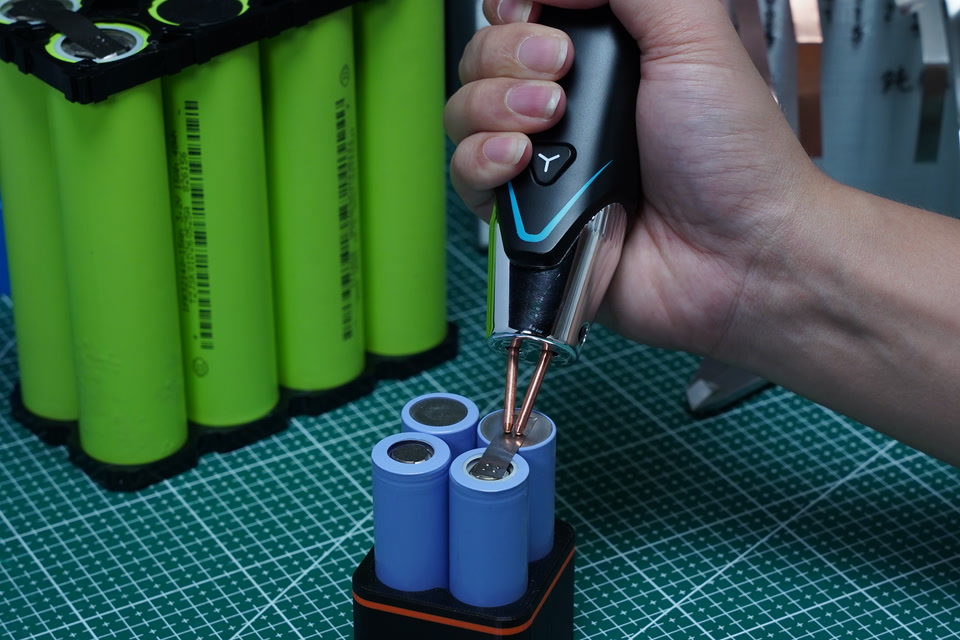
Many DIYers building 18650/21700/32140 or large-format cell battery packs run into the same common problem: the spot weld looks fine, yet a light tug peels the whole nickel strip off. In the vast majority of cases, that is a cold (false) weld.
AWithZ official — 2026-09-28
A DIY 18650 pack is more than cells in series and parallel. Cell matching, insulation and weld quality decide its lifespan and safety. Most DIYers trip over three things: mismatched cells, cold welds and burned-through nickel strip. A standardized process gives a well-matched pack with solid welds.
AWithZ official — 2026-09-28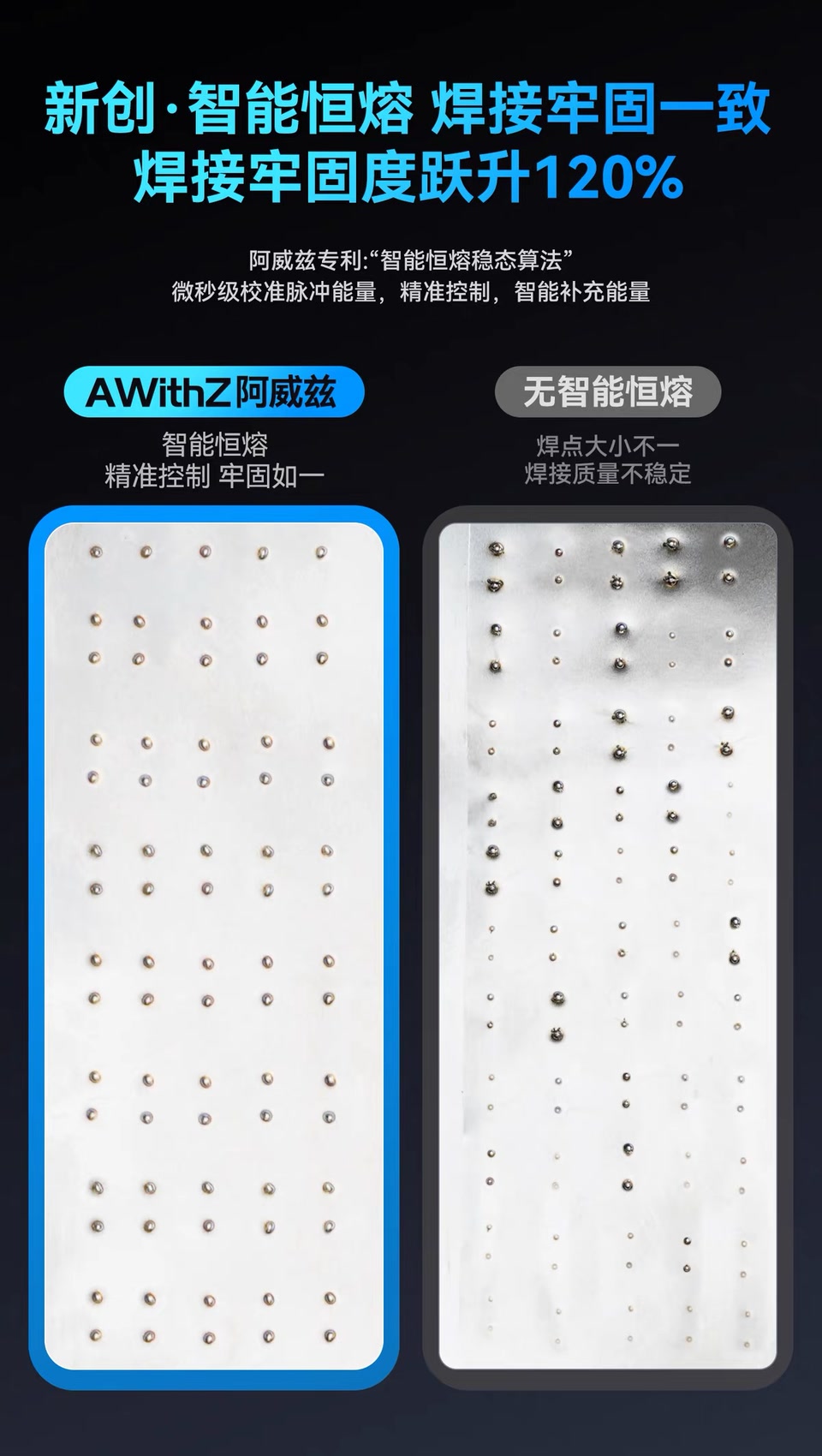
Typical handheld spot welders suffer from limited welding thickness, overheating during continuous welding, inconsistent welds, weak battery life and fast-degrading cells. They are fine for light DIY, but not up to professional batch work.
AWithZ official — 2026-09-29