Repairing a Philips shaver with a new battery so it lasts another 10 years. After years of use it died a few minutes after charging; now with a higher-capacity cell it runs twice as long as new


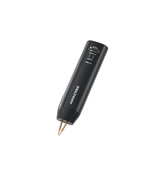
Creator’s own settings as stated in the video (timestamps link to the moment). Not official values — test on scrap first.
Bill of materials
Welder, accessories, consumables and parts used in this build; quantities and specs are editable Download BOMDescription
Philips shaver dying in minutes: remove 4 screws + clips; the original 1.2V NiMH (~600–700mAh) is replaced with a 1400mAh true-capacity button-top AA (several flat-top ones he bought were all over-rated at only 300-odd); H1 in manual mode, gear turned up, welds the nickel tabs; align the tab on the button-top positive; on reassembly note the motor sits on the plastic rod, and don’t over-tighten the screws
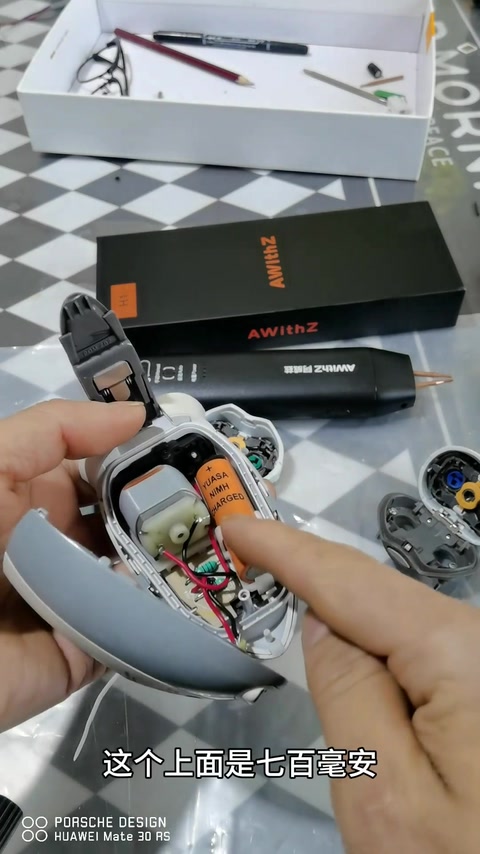
If a shaver won’t run long after charging, don’t throw it away — swap the battery. This is a genuine Philips, and the fault is entirely the battery. A brand-new 1400mAh NiMH (YUASA NiMH 1.2V AA) is ready. Teardown: two screws here, one here, one more at the back inside; once out, pry it open, then push the two small clips on either side outward and it opens. Inside is a 1.2V NiMH cell, originally about 600–700mAh; it was a flat-top, and several flat-tops he bought were all short on capacity — labelled 1200 / 1800 / 2200 but tested at only 300-odd, so the only option is button-top, and this batch all tested at a true 1400 or more. Remove the board and swap the cell: the old cell had two nickel tabs, so make new tabs, spot-weld them on, then solder to the board. Power on the welder and turn the gear up a bit because the tab is a little thick; manual mode, one pulse and it’s on, a second pulse makes it firmer — can’t be peeled off. For the positive, since it’s a button-top and not flat, the tab has to be aligned — a bit tricky, it’s tiny; one pulse across, one lengthwise, very successful and very solid. Temperature turned up a little, the welds are very firm; the welder is light, compact and easy to carry, same model linked bottom-left. Reassembly: the motor sits on the plastic rod and must seat properly; press the cover on tight, the front plate must clip in; don’t force the screws — force them and the threads strip; the last two go in by hand, not with a power driver (no feel with a power driver), just snug them up, repair done. Comments ask where to buy the cell / any link, why not Panasonic, whether Li-ion can be used, whether he takes mail-in repairs; someone shares a no-weld method: pry the old cell off with a box-cutter blade, connect it and fix with glue.
Outcome
| Goal | Replace a Philips shaver’s battery with a higher-capacity NiMH |
| Build | 1.2V NiMH AA 600–700mAh → 1400mAh button-top |
| Result | Powers on strongly, repair successful · verified on camera: 229–232s power-on test; 344–351s ‘repair successful’ |
Steps8 steps · click a frame to jump
 1. Diagnosis: battery dead; get a 1400mAh NiMH
If it won’t run long after charging, don’t bin it — the battery can be replaced; genuine Philips, it’s all down to the battery; a brand-new 1400mAh cell is ready.
00:01 – 00:30 2. Teardown: 4 screws + clips on both sides
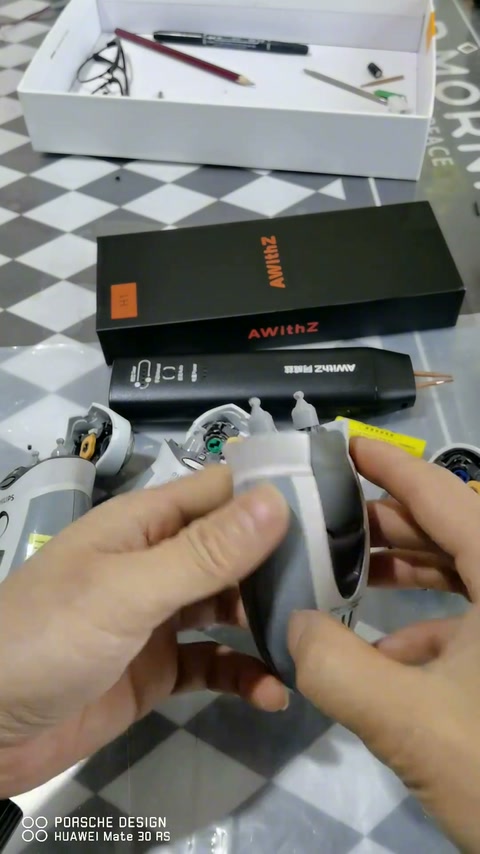
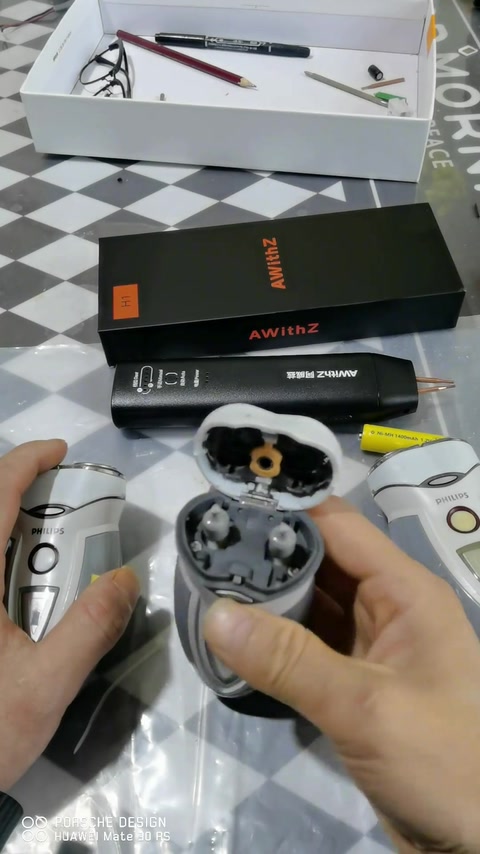
Two screws here, one here, one more at the back inside; once out, pry it open, push the two small clips on either side outward and it opens.
00:30 – 00:59 3. Original 1.2V NiMH 600–700mAh; flat-tops over-rated at 300-odd, pick a true 1400 button-top
Inside is a 1.2V NiMH cell, originally 700 or 600mAh; going for higher capacity; it was a flat-top, and several flat-tops he bought labelled 1200 / 1800 / 2200 tested at only 300-odd, so button-top is the only choice; this batch all tested at a true 1400, some higher.
00:59 – 01:34 4. Make the tabs; H1 in manual mode, gear up, weld the negative
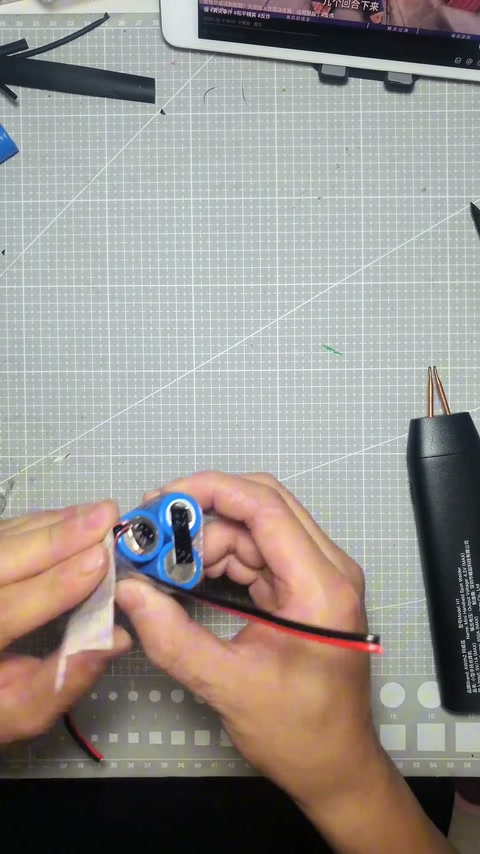
Remove the board; the old cell has two nickel tabs, make new ones, spot-weld them, then solder to the board; power on the welder and turn the gear up a bit because the tab is slightly thick; manual mode; one pulse and it’s on, a second makes it firmer; very solid, can’t be peeled off.
01:34 – 02:18 5. Welding the button-top positive: align it, one pulse across, one lengthwise
The positive is a button-top, not flat, so the tab must be aligned before pulsing; a bit tricky, it’s tiny; it works, very successful; one more pulse across and one lengthwise; very solid, then solder it on; the result is very good.
02:18 – 03:13 6. Temperature up a bit for firm welds; the welder is light and portable
Temperature (gear) turned up a little and the welds are very firm; the welder is light, compact and easy to carry, same model linked bottom-left.
03:14 – 03:33 7. Reassembly: motor must seat on the plastic rod; power-on test
Fit it, mind the polarity; powers on strongly; when fitting, the motor must seat on the plastic rod; put the cover back and press it tight.
03:34 – 04:21 8. Front plate clips in; don’t over-tighten screws, by hand not power driver; repair successful
Fit the front; if it isn’t seated, squeeze it in; don’t force the screws — force them and they strip; the top two go in by hand, not with a power driver, there’s no feel with a power driver; just snug them up; repair successful.
04:28 – 05:57
Bill of materials
| Philips shaver ×1 | 12V DC 1.5W · Item under repair |
| YUASA NiMH AA button-top ×1 | 1.2V 1400mAh · Replacement |
| H1 welder ×1 | Manual mode · Welding the nickel tabs |
| Nickel tabs ×2 | Slightly thick · Positive / negative lead-out |
| Soldering iron ×1 | Soldering to the board |
| Screwdriver (manual) ×1 | Disassembly / reassembly |
Measured on camera
| New cell capacity test | ≥1400 mAh 01:26 |
| Flat-top cell measured capacity | 300-odd mAh 01:20 |
Creator’s tips
- Don’t buy over-rated flat-top NiMH cells; buy button-top and test the capacity 01:15
- If the tab is thick, turn the gear up; in manual mode two pulses hold better 01:50
- When welding the button-top positive, align the tab and pulse once across, once lengthwise 02:25
- On reassembly the motor must clip onto the plastic rod; the front plate must clip in 04:00
- Drive the screws by hand, not with a power driver, to avoid stripping the threads 05:15
Pitfalls
- Several flat-top NiMH cells he bought were all over-rated at only 300-odd 01:15
- The button-top positive is tiny, aligning it is tricky 02:30
- The front plate didn’t seat on the first try 04:34